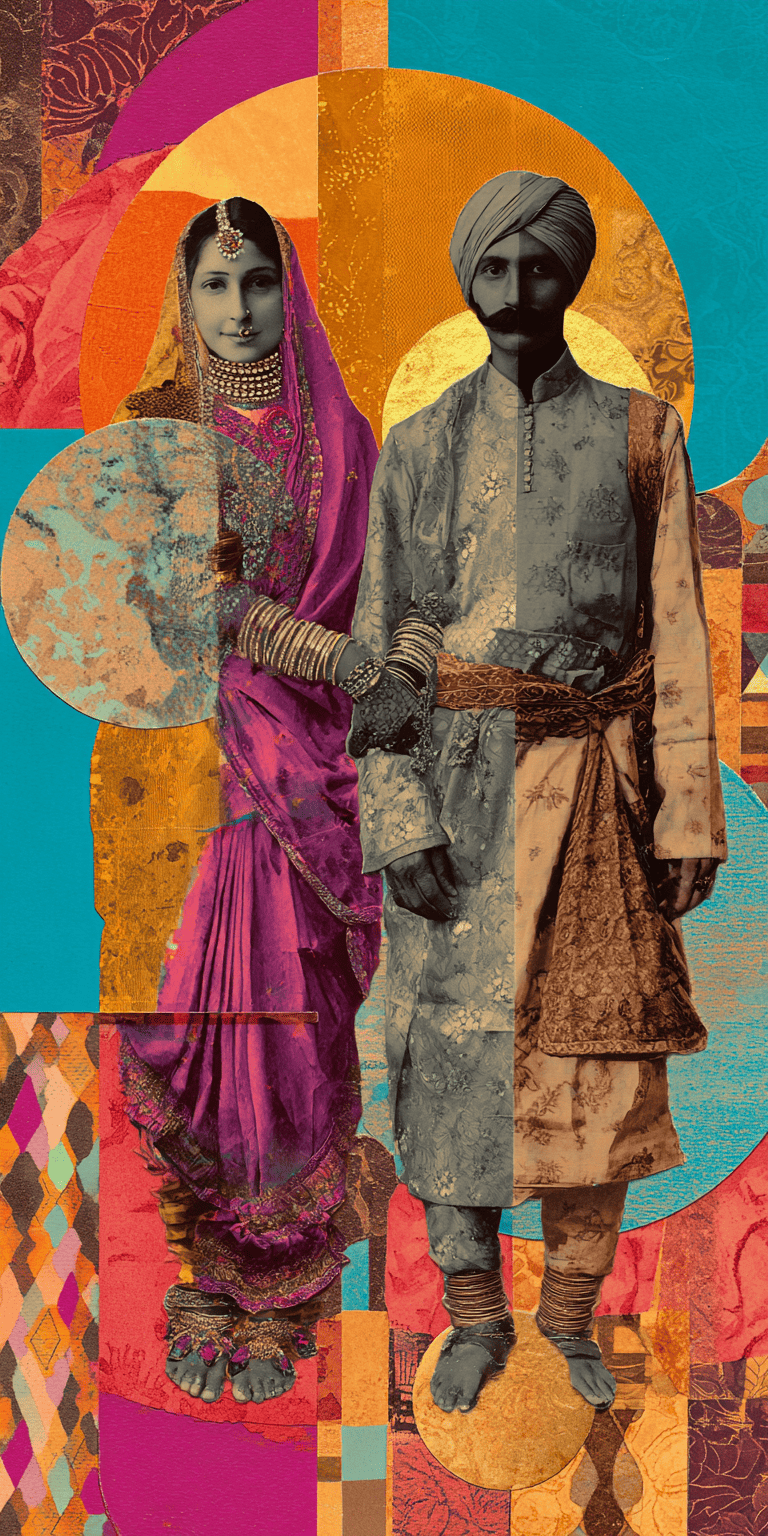
The Inclusive Story AI Lab is a research and creative innovation space exploring how AI systems shape public narratives and what they leave out.
The Lab examines missing data, algorithmic invisibility, structural bias, and the trade-offs embedded in AI systems developing future-facing models for more inclusive AI-mediated storytelling.
Through participatory workshops, experimental prototyping, and collaboration with cultural, academic, and civic partners, this work generates insights that inform advisory practice and contribute to wider dialogue on responsible AI.
As a Media Fellow with the Public Tech Lab, I am advancing this work alongside researchers and practitioners shaping the future of public-interest technology.
If you’re interested in collaborating or exploring how this work could support your organisation, I would welcome a conversation.
What Will We Remember In 100 Years From Now?
With Ramaa Sharma
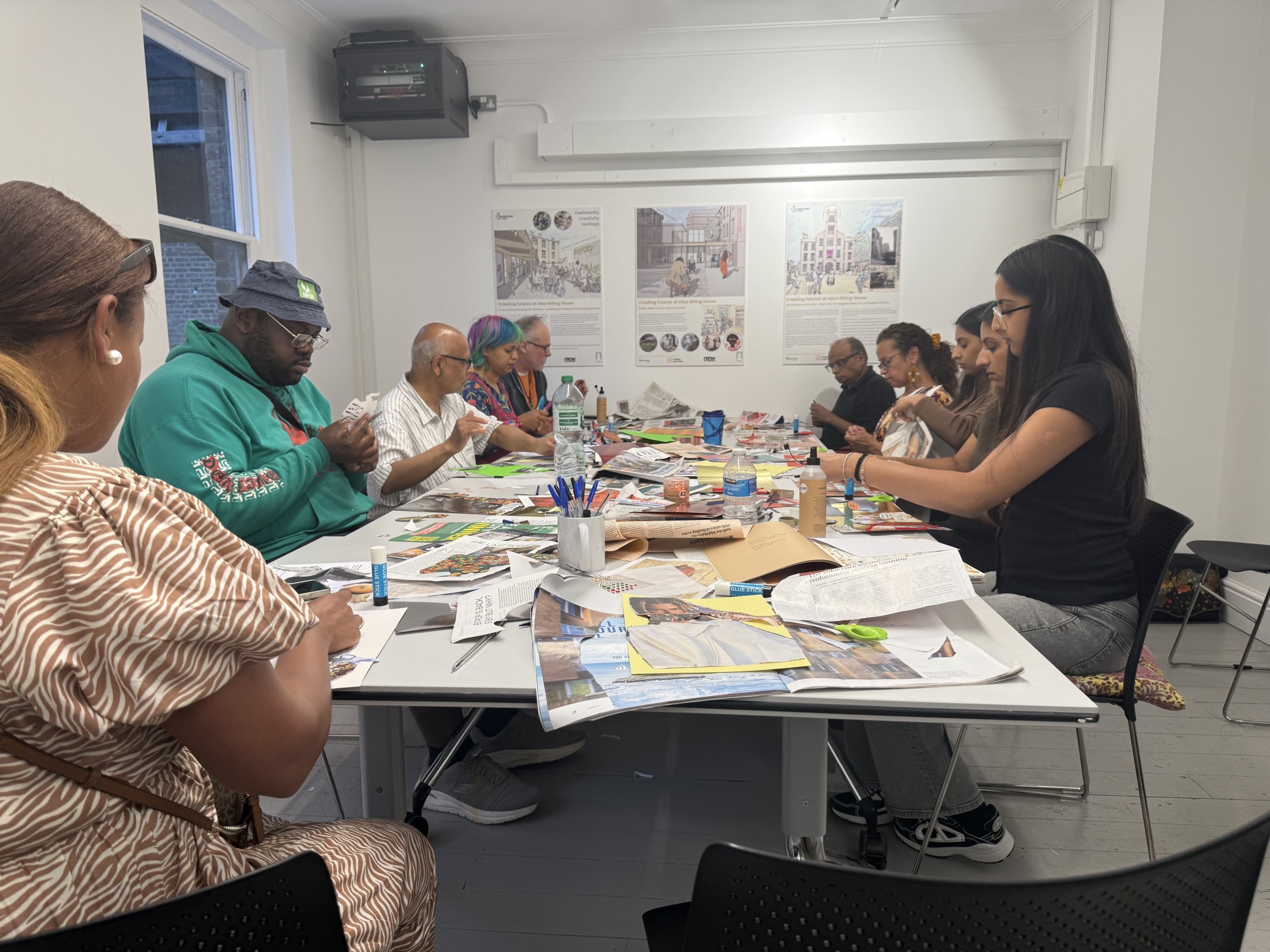
In July, a group of East London residents gathered to consider what heritage meant to them and what they would want to remember in a hundred years time for the purposes of the Time Capsule project. Our Artist-in-Residence and facilitator of the workshop Ramaa Sharma also wanted to test how art and AI might express identity and heritage, considering the fact that these systems are trained on imperfect and biased datasets.
The session opened with a conversation about heritage, what it means to people, and what it means in the context of East London. Participants were invited to bring, or think about, an object that resonated. Many mentioned jewellery, often gold. Others spoke about clothing, extended members of family and food. It was striking how the objects almost unanimously triggered memories of experiences with loved ones in the group. This was no different for Ramaa – whose ‘heritage object’ was a very illustrative of this. It was a photograph of her as a child, her mother and grandmother – expressing love and their generational differences in not just in their outfits but postures and smiles (or lack of in her grandmother’s case).
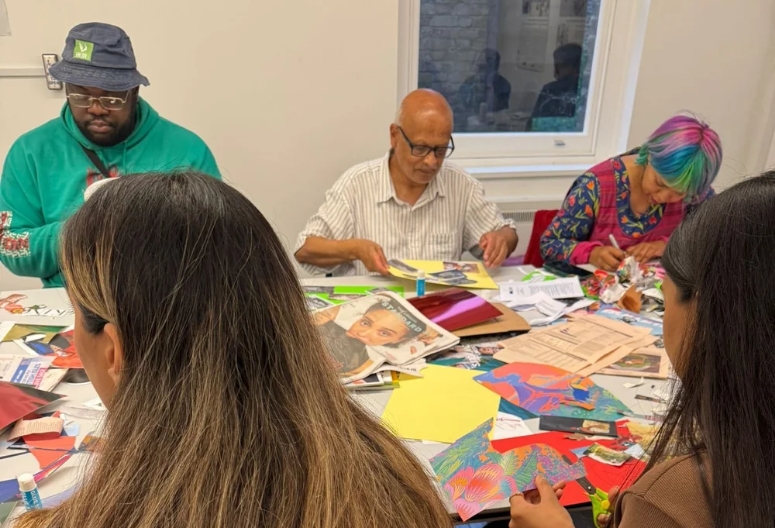
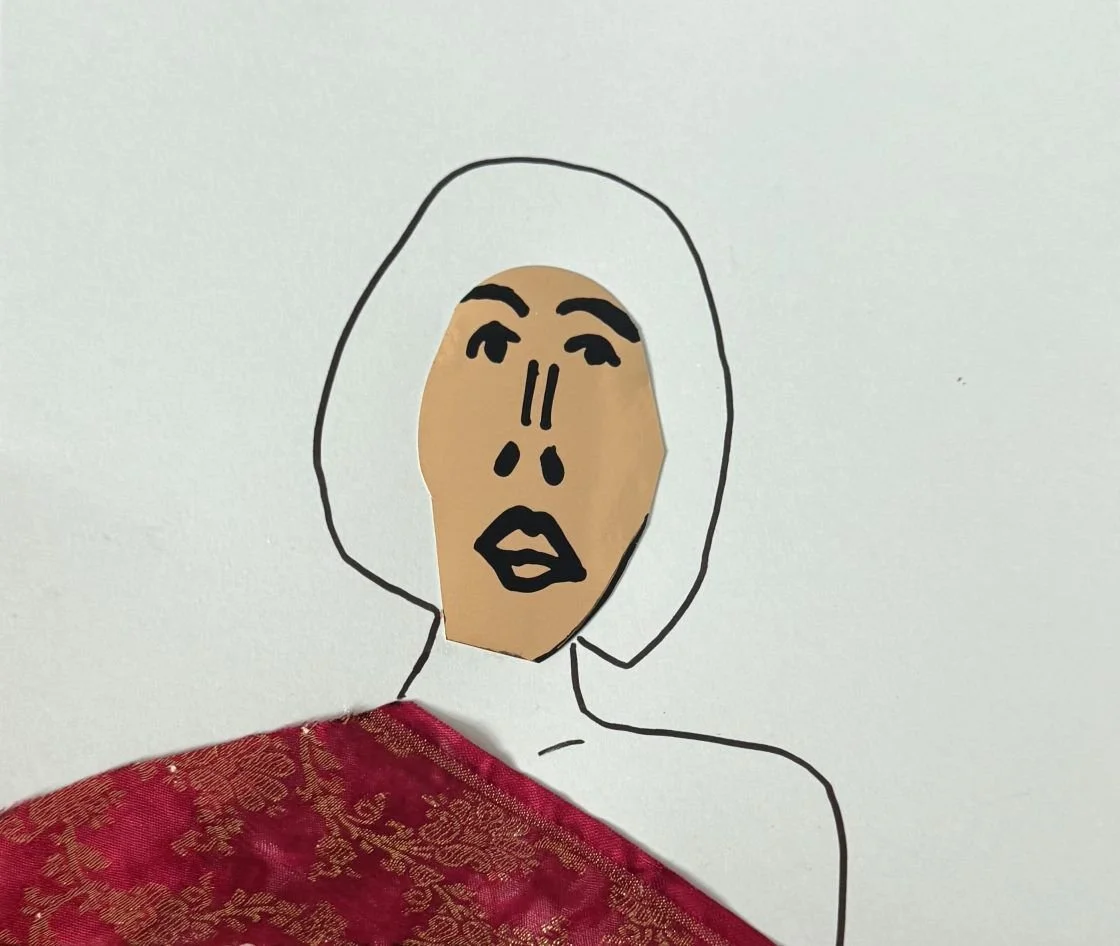
After the conversations, the group moved into making. Ramaa demonstrated a few collage techniques, then encouraged people to work intuitively and play. Materials included magazines, newspapers and bold coloured papers, with gold, silver and rose coloured cards as well as textures, materials Ramaa uses in her own practice.
Once the collages were complete, participants shared words that came to them as they thought about their identities and heritage. Those words were then used to prompt an AI image tool for its interpretation. The outputs were then printed and pinned on a wall as a pop up exhibition of sorts and participants tried to guess if they could recognise their images.
The ‘reveal’ was fascinating. Some participants were delighted, especially those who felt unable to depict what they had in mind, while others were disappointed. One felt misrepresented, even offended, by a very inaccurate depiction.
More time would have allowed for experiments with the prompts themselves. Regardless, the exercise demonstrated that an AI tool can both represent and misread personal notions of heritage and identity. It also showed that outcomes depend on many factors. Including the facilitation, the language used to describe oneself, the prompts entered, and the choices of tools as well.